
Deep in a scanned volume of Chicago City Council records, between driveway permits and refund claims, sits a heading I would happily hang over my desk.
It reads “Request for Designation of ‘Halloween’ as ‘Conservation Day.'” The item belongs to the regular council meeting of Wednesday, October 14, 1942, and its ambition was not small.
Mayor Edward J. Kelly was asked to proclaim the new day “this year and until the end of hostilities.” So yes, Chicago did try to retire Halloween for the rest of World War II.
Chicago had been at the center of another remarkable October story decades earlier, when the Great Chicago Fire of 1871 overshadowed an even deadlier wildfire in Wisconsin.
What happened afterward is quieter, and stranger, than the version that circulates every October.
What the Chicago Council Actually Asked For
The resolution is short, and its wording matters more than the legend built on top of it. The council did not pass an ordinance abolishing anything.
It sent a request, asking the mayor to use his proclamation power, the same tool he had used that year for the Fourth of July and for Fire Prevention Week.
Its stated reason is pure 1942 civic prose. Aldermen hoped property might be saved from “molestation by merriment-seeking children.” I have not found a better description of an eleven-year-old holding a bar of soap.
That kind of official language had its critics. Two years later, federal agency chairman Maury Maverick gave confusing government prose a memorable name: gobbledygook.
“Resolved, That the City Council request Mayor Edward J. Kelly to proclaim Halloween this year and until the end of hostilities as ‘Conservation Day.'” From the Chicago City Council journal for July 1942 to March 1943, regular meeting of October 14, 1942.
Why Chicago Had Run Out of Patience With Halloween
By 1942, the city had two decades of bad Octobers on file. Halloween in early 20th-century Chicago meant less candy and more property damage, as a CBS Chicago review of old Chicago Tribune reports lays out. A few entries explain why aldermen reached for a new name.
- Vandals in 1922 set fire to a real estate office, two train cars and a 500-gallon gasoline tank.
- Police in 1923 took more than 200 boys from Evanston, Wilmette, Winnetka and nearby suburbs into custody.
- A fire set at a West Hastings Street junk shop in 1926 killed a 60-year-old man.
- Children who pledged to behave that same year earned free movies at a local theater.
The last item goes straight onto my running list of firsts that turned out to be seconds. Chicago was trading good behavior for treats 16 years before the war gave the bargain a patriotic name.
How a Soaped Window Became Wartime Sabotage
View this post on Instagram
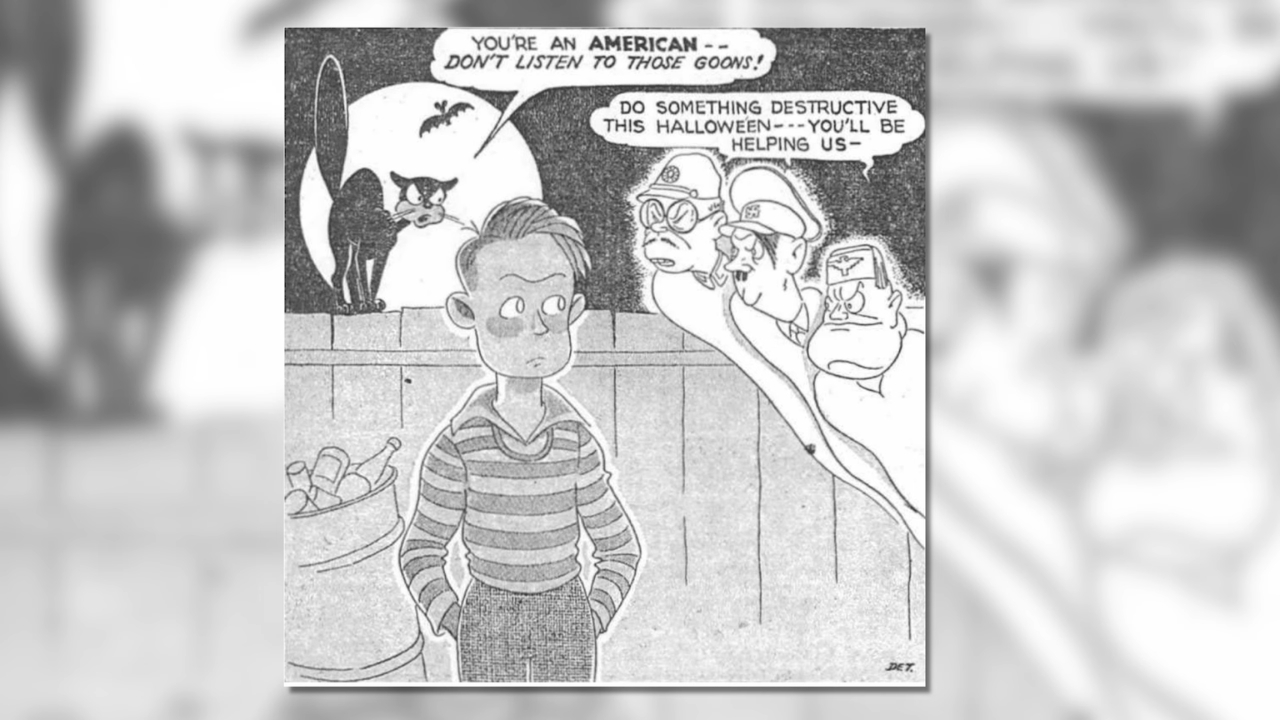
After Pearl Harbor, old complaints about pranks picked up a new vocabulary. Soap, rubber and sleep had become war materials, and officials said so in print.
In 1942, the school superintendent in Rochester, New York, called letting the air out of tires sabotage, as Halloween historian Lesley Bannatyne describes in her history of Halloween mischief for The Saturday Evening Post.
Newspapers from Iowa to Louisiana made the same case, according to the National WWII Museum survey of 1942 coverage. Three worries kept coming back.
- Pranks wasted soap, grease and rubber the government needed.
- Late doorbell ringing robbed tired factory workers of sleep.
- Towns set and enforced curfews to keep pranksters indoors.
On October 29, 1942, the Des Moines Register went furthest, comparing young pranksters to saboteurs helping the Axis. Chicago simply put the same idea on council letterhead.
What the Chicago Records Show, Year by Year
The legend usually describes a ban that lasted the whole war. The printed council journals tell a thinner story, and the calendar adds a twist of its own.
| Year | Halloween fell on | What the council journal shows |
| 1942 | Saturday | Resolution of October 14 asks Kelly to proclaim Conservation Day for 1942 and every year until hostilities end. No mayoral proclamation appears in that volume. |
| 1943 | Sunday | Kelly names Saturday, October 30, as Conservation Day. |
| 1944 | Tuesday | No mention of Halloween or Conservation Day. |
| 1945 | Wednesday | No mention. Japan had surrendered in September. |
Gaps in the record deserve care. A searchable scan is not a complete record, and a proclamation could have gone straight to the newspapers without reaching the journal.
Still, the council proceedings for 1944 contain nothing on the subject, and the printed record shows one request and one proclamation, not a four-year ban.
The Mayor Moved Conservation Day to a Saturday
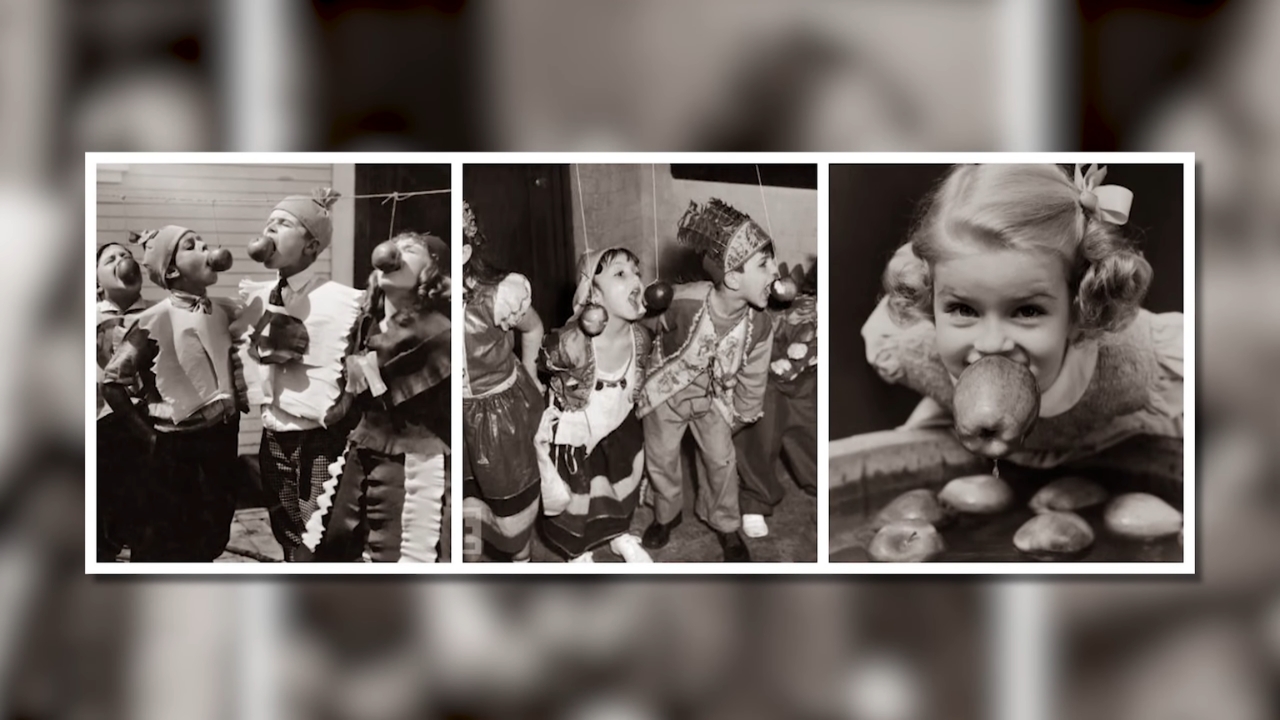
I check the weekday of every date I write down, a habit from childhood Saturdays sorting estate boxes in the bookshop my grandfather ran. Here the habit paid off.
In 1943 Halloween fell on a Sunday, and the proclamation Kelly signed designated “Halloween, Saturday, October 30, 1943” as Conservation Day.
He appealed to young Chicagoans to stop soaping windows and damaging property. The proclamation also asked them to pledge themselves to salvage and conservation drives, so that whatever might be destroyed on Halloween eve would go to the war effort instead.
Curiosity: In the council journal for April 1943 to January 1944, the 1943 text sits with the regular meeting of October 27. It never explains the Saturday date. My guess, and it is only a guess, is that city hall expected the mischief on Saturday night whatever the calendar said.
Chicago Families Kept Throwing Halloween Parties
Renaming a holiday is easier than canceling a party. On October 31, 1942, the Chicago Defender, the Black weekly, suggested a ghost party or a barn party for readers planning to entertain, according to the Black Quotidian archive for that date. Nobody at the Defender seems to have thought Halloween was off.
The harder limit sat in the kitchen. Sugar was the first food rationed on the home front and among the last released, and the National Park Service history of sugar rationing gives the numbers.
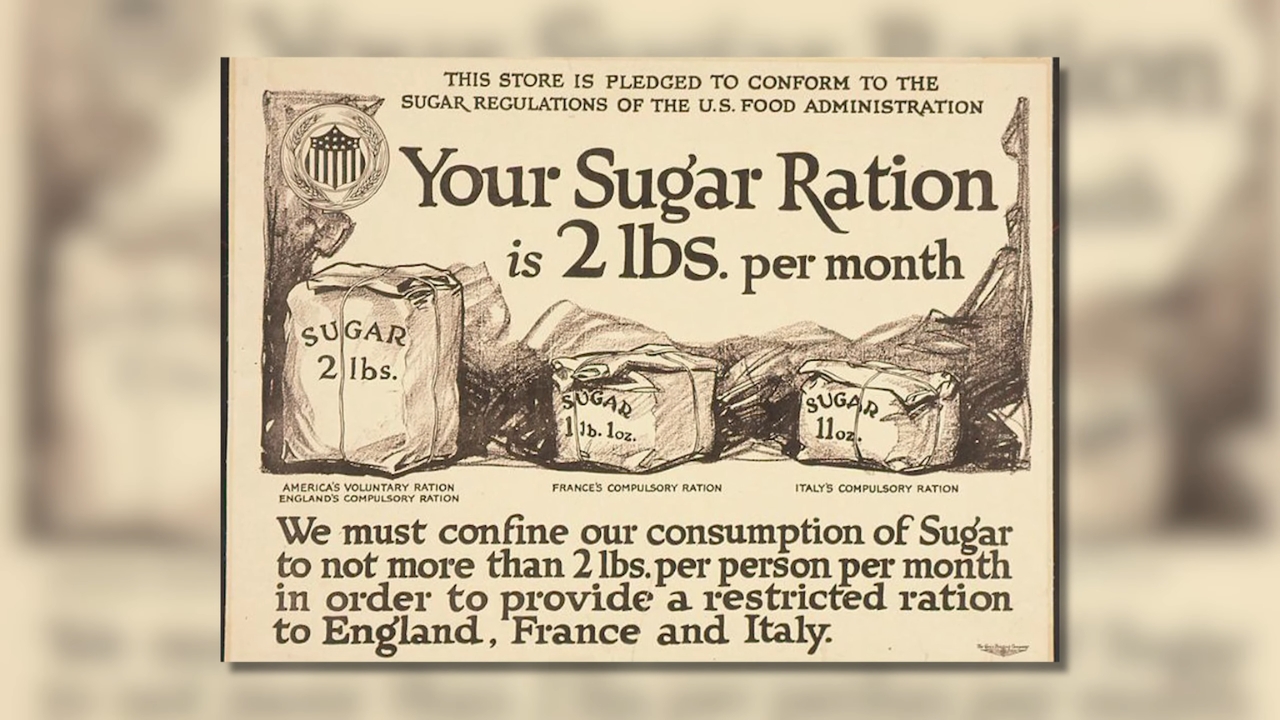
From May 1942, every American, children included, was allowed 26 pounds of sugar a year, about 8 ounces a week. The allowance shrank twice in 1945, and sugar stayed rationed until June 1947.
Half a pound a week does not stretch to popcorn balls for the whole block. Newspapers answered with ration-friendly recipes for donuts, cakes and spiced cookies.
What the Popular Retellings Get Wrong
The usual one-line version says the Chicago City Council voted to abolish Halloween in 1942. A Smithsonian essay on Halloween pranks puts it that way and adds that the mayor apparently did little with the plan. The second half holds up better than the first.
- Confirmed. The council asked Kelly, in writing, to proclaim Conservation Day for 1942 and every Halloween until hostilities ended.
- Not supported by the record. Any law, ordinance or penalty that abolished Halloween in Chicago.
The 1943 proclamation also complicates the idea that Kelly ignored the council. He acted a year late, for one Saturday, with an appeal rather than an order.
In my view, the myth says more about how much later writers enjoyed the word “abolish” than about anything Chicago did.
Why Halloween Dusk Came Later During the War
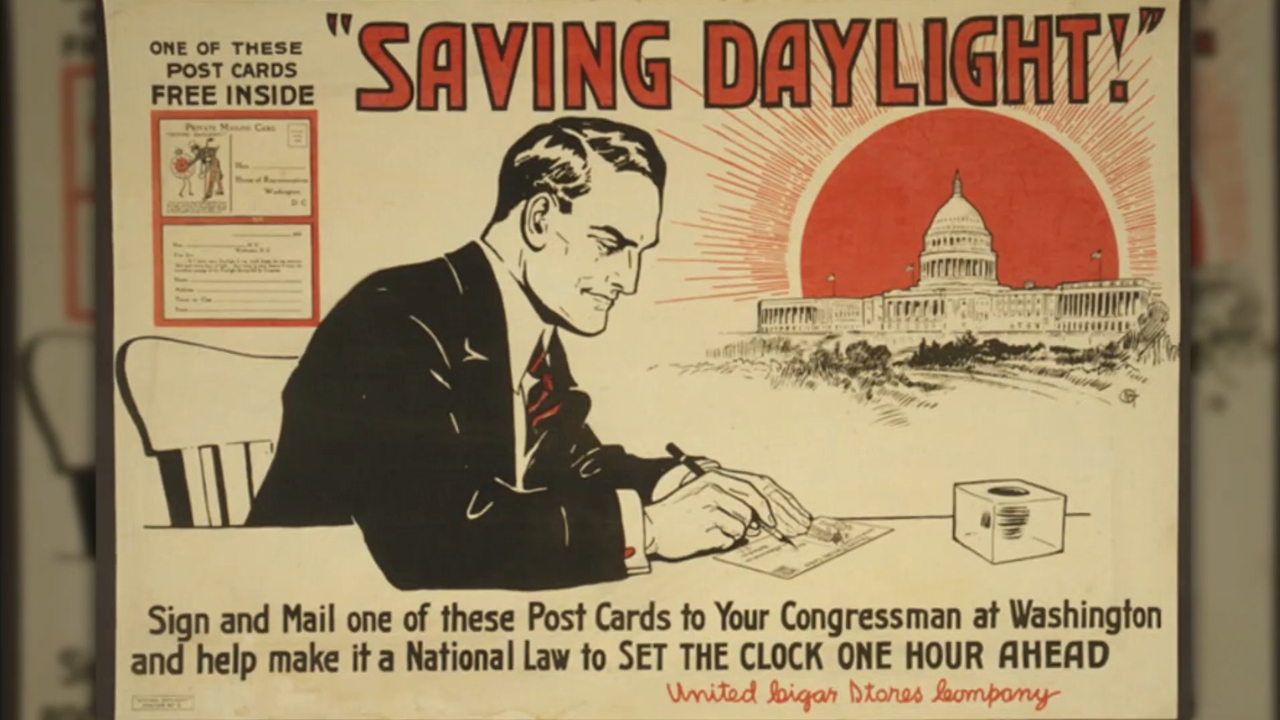
One more wartime detail shaped those Chicago evenings, and it had nothing to do with pranks. From February 9, 1942, to September 30, 1945, the country stayed on year-round daylight saving, which President Franklin Roosevelt called War Time, as a National Park Service timeline of 1942 notes.
The name itself has a curious history, too. The difference between daylight saving and daylight savings goes back much further than the wartime clock changes.
Halloween in 1942, 1943 and 1944 all fell under War Time, with sunset arriving about an hour later on the clock than standard time would allow.
We have since gone back to changing clocks twice a year, and in 2026 the clocks go back on November 1, the morning after Halloween.
The familiar phrase “spring forward, fall back” also reveals a difference in seasonal vocabulary, since Americans say fall while the British prefer autumn.
Chicago children in 1942 got no such reset. They got an extra hour of evening light, a council resolution about their merriment, and police under orders to protect property.
The Phrase That Still Nags at Me
The words I keep returning to are “until the end of hostilities.” Officially, that moment came at noon on December 31, 1946, when President Harry S. Truman signed Proclamation 2714 declaring hostilities over.
Presidential Proclamation 2714 was signed by President Harry S. Truman on December 31, 1946, to officially declare the cessation of all hostilities in World War II.
#WeRememberThem https://t.co/zCY0ycqf5D
— WWII Memorial Friends (@WWIIMemorial) December 31, 2025
Read literally, the 1942 resolution covered Halloween in 1945 and 1946 as well, more than a year after Japan surrendered.
Nobody in the later journals seems to have noticed. I would still like to know whether a single Chicago child, in any of those years, ever called October 31 Conservation Day out loud.
The council minutes do not say. Children rarely make the minutes, unless a window has been soaped.